Blog
An Introduction from Anna Valeria
Posted on February 3, 2023 by
Share
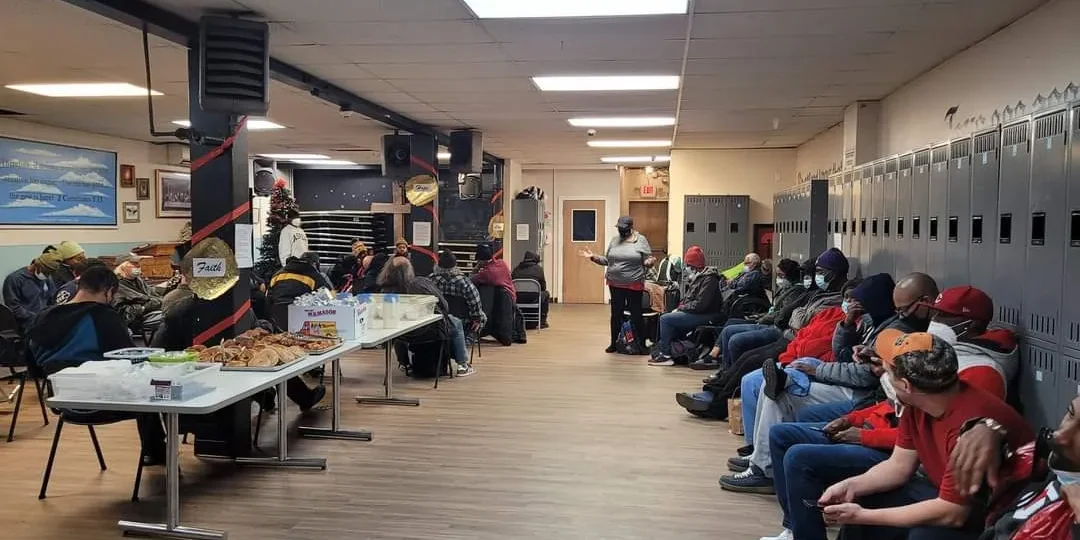
16 years ago, I was a frustrated case manager. My caseload consisted of clients who I had to find in order to provide them with support- if I could find them, I would find them in homeless shelters, under bridges, in detox centers, psych wards, abandoned houses, etc. The purpose of my role was to “reduce Medicaid expenses”. By offering support to clients who were difficult to treat and who frequented hospitals, jails, and treatment facilities, the idea was that we could reduce those events and therefore reduce costs to Medicaid. Seems like a perfect plan, right?
12 years ago, I was still a frustrated case manager. Although I was a community-based case manager, my office was located inside of a family homeless shelter. The purpose of this role was to connect homeless individuals to a (HUD-funded) housing subsidy and to help secure them an apartment. My caseload consisted of men and women who were experiencing homelessness but who also had another high-risk condition such as substance use disorder or severe mental illness. I would make regular home visits to my clients, and when I had office time, I would try and connect with the children in the shelter as much as I could- an equally heartwarming and heartbreaking experience.
Why was I frustrated?
I entered this field of work as a calling, born out of grief and a commitment to provide struggling people an opportunity to be heard (more on that in a later post…). I quickly learned that, in spite of a massive network of service providers and funding sources, very little of what I was doing was actually “helpful”. Further, what actual help I could offer had nothing to do with the services or funding.
Early on, I remember driving a young single mother to an appointment at the DHS office (where she applied for and maintained her welfare benefits). We brought her three young children with us and we waited- for almost five hours- to be seen by someone who ultimately met with her for five minutes to reinstate her SNAP (food stamp) benefits. During our wait, we played with the kids (who seemed all too used to this kind of situation) on the cold, dirty floor. And I got to know this young woman and what led her these circumstances. As I drove her and her children home later that day, I asked her, “Is all of this- the benefits, the case management, the housing subsidies- helping you?” She replied, “Well, it’s keeping me off the street, but now I’m just trapped in a different way. And I can’t get out.”
Sadness for the people the systems were claiming to help compounded my frustration and I began to pray for God to open a door to another opportunity that would allow me to shift the narrative, not by working against the system, but by working with the system in a way that was far more effective and dignified. During this season, God gave me peace in the knowledge that the challenges I was facing were preparing me for what was to come.
11 years ago, driving to work in tears- because God was not moving at the speed in which I wanted Him to move- I heard a radio spot from the Director of Open Door Mission. I had a lot of experience with this organization as a case manager, but the term “faith-based organization” has lost its meaning in the past 20 years, so I assumed they were like the rest. However, he began speaking about a current homelessness situation and its lack of effectiveness because it didn’t get to the root causes. Something clicked. He got it. He was speaking the language I could only speak in my head and in my prayers for the past several years. I reached out to him and was hired by him a month later.
I have been with Open Door Mission since and have been the CEO for eight years now.
Share